


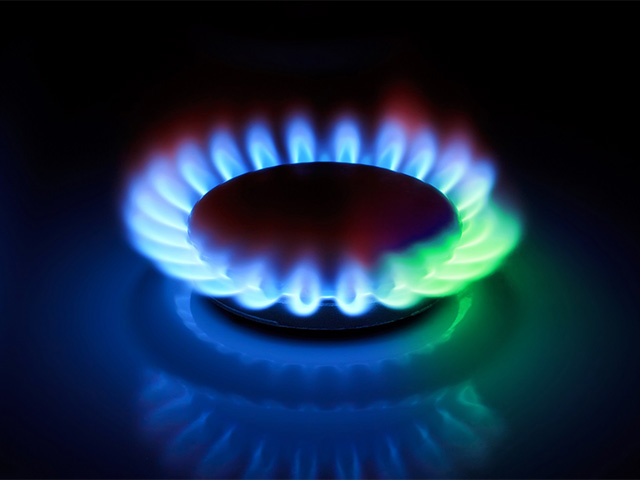
The integration of hydrogen with methane (natural gas) is gaining attention as a cleaner and more sustainable alternative for residential cooking. This approach aims to reduce carbon emissions while utilizing existing gas infrastructure, making it an attractive solution for transitioning to greener energy systems.
The Science Behind Hydrogen-Methane Blends
Hydrogen, the lightest and most abundant element, burns cleanly, producing only water as a byproduct. When mixed with methane, it creates a fuel blend that:
- Reduces carbon dioxide (CO₂) emissions during combustion.
- Enhances energy efficiency due to hydrogen’s higher energy content per unit of weight.
Common blends include 10-20% hydrogen by volume, which can be safely transported and used in existing natural gas pipelines and appliances without significant modifications.
Benefits for Cooking Applications
- Lower Carbon Footprint: Hydrogen’s inclusion reduces CO₂ emissions by partially replacing methane, a fossil fuel.
- Improved Combustion Efficiency: Blended gas burns more cleanly, leading to better energy utilization.
- Appliance Compatibility: Studies indicate that most conventional cooking appliances can function effectively with up to 20% hydrogen in the gas mix without safety concerns or performance issues.
Key Projects and Initiatives
- HyDeploy (UK): A pilot project testing hydrogen-methane blends in residential areas, including cooking applications, with positive safety and efficiency outcomes.
- 20HyGrid (Romania): Focused on integrating hydrogen blends into heating and cooking systems, proving their feasibility in diverse applications.
- H2Gas (Germany): Researching long-term impacts of hydrogen-methane blends on appliances and infrastructure.
Challenges to Adoption
While promising, there are hurdles to overcome:
- Cost of Hydrogen Production: Green hydrogen, produced via renewable energy, remains expensive compared to methane.
- Infrastructure Upgrades: Older gas networks may require enhancements to safely handle higher hydrogen concentrations.
- Public Awareness: Educating consumers about the safety and benefits of hydrogen-methane blends is essential for widespread acceptance.
Future Prospects
The use of hydrogen-methane blends for cooking aligns with global sustainability goals and efforts to decarbonize the energy sector. As hydrogen production becomes more cost-effective and infrastructure adapts, these blends could become a standard for residential and commercial cooking applications.